
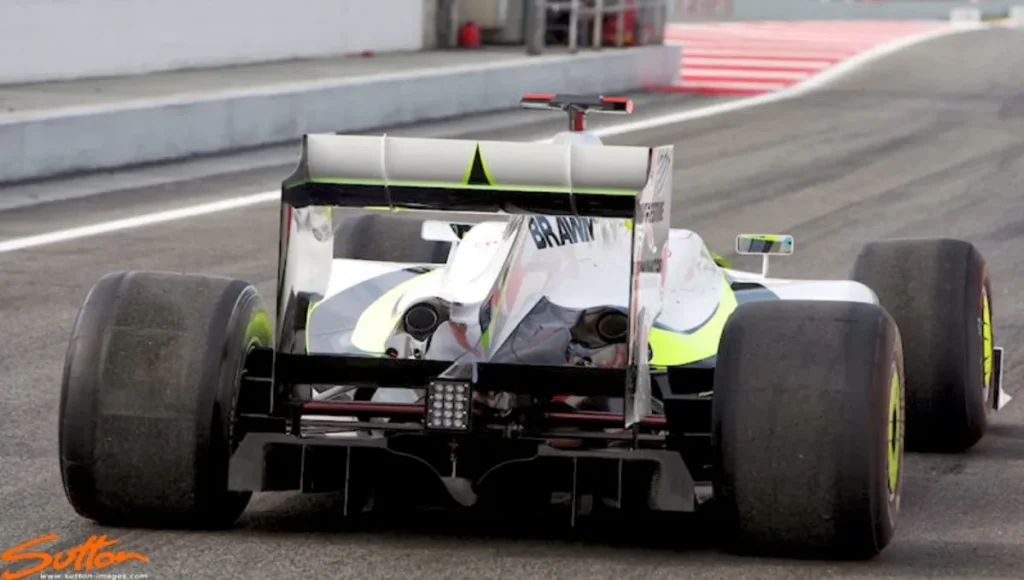

In Formula 1 under the FIA, regulation changes are not cosmetic updates; they are structural shocks that can flip the competitive order within 1 season, as seen in 2009, 2014, and 2022. In 2009, Brawn GP exploited the double diffuser concept and won 6 of the first 7 races, turning a team that didn’t exist months earlier into a world champion in just 1 year. That is reconstruction. And it reshapes legacy. When regulation resets, shift the balance between teams. 1xBet apk allows users to access race markets directly from a mobile device.
This compressed qualifying gaps to around 0.6–0.9 seconds between P1 and P10 in multiple events across a 22-race calendar. Red Bull Racing adapted fastest, with Max Verstappen winning 15 races in a single season. And started compressing. The second defined reality. Margins stayed tight even when one team dominated the results. And small setup gains became more valuable than raw pace. The field looked closer. But execution still decided everything. As new technical rules change car performance unpredictably, APK 1xBet provides quick entry to follow updated race events anytime.
Why Each Regulation Cycle Creates A Completely New Competitive Logic
Every major rule reset wipes out 3–5 years of accumulated development advantage, forcing teams to rebuild concepts from zero, which means a single design decision can be worth 0.8–1.2 seconds per lap. Over a 60-lap race, that translates into 48–72 seconds of total advantage or loss. That is not a margin. That is a different race entirely. And it decides championships before they even start.
The key mechanics behind these shifts look like this:
- 2009: 6 wins in the first 7 races by Brawn GP
- 2014: 16 wins out of 19 for Mercedes
- 2022: gaps reduced to around 0.6–0.9 seconds in qualifying
- Dirty air reduced by 30–35%
- Seasons expanded to 20–23 races
- Performance swings of up to 1.2 seconds per lap
What this shows is that Formula 1 moves in clear phases rather than slow, steady balance. One regulation change can reset the order almost instantly. Then a team locks in an advantage and controls the cycle for a few seasons. And when the rules shift again, everything can change just as quickly. Teams do not climb slowly. They jump when rules allow it. Or fall when they miss it. At the top level, Formula 1 becomes less about continuous superiority and more about hitting the correct development window at the correct moment within a 12-month cycle.