
The second half of 2026 does not ease in. It opens with the sharp end of the FIFA World Cup and keeps moving through Glasgow, New York, Aichi-Nagoya, Abu Dhabi, cricket windows, tennis hard courts, and club football’s restart. The sports calendar 2026 is crowded, but not evenly crowded. July and September are the pressure points.
This is the useful way to read it: July belongs to global football and Commonwealth sport, late August turns toward tennis and European football rhythm, September and October bring Asia’s biggest multi-sport event, and November begins the end-of-year championship season.
July Starts With the Match Everyone Will Stop For
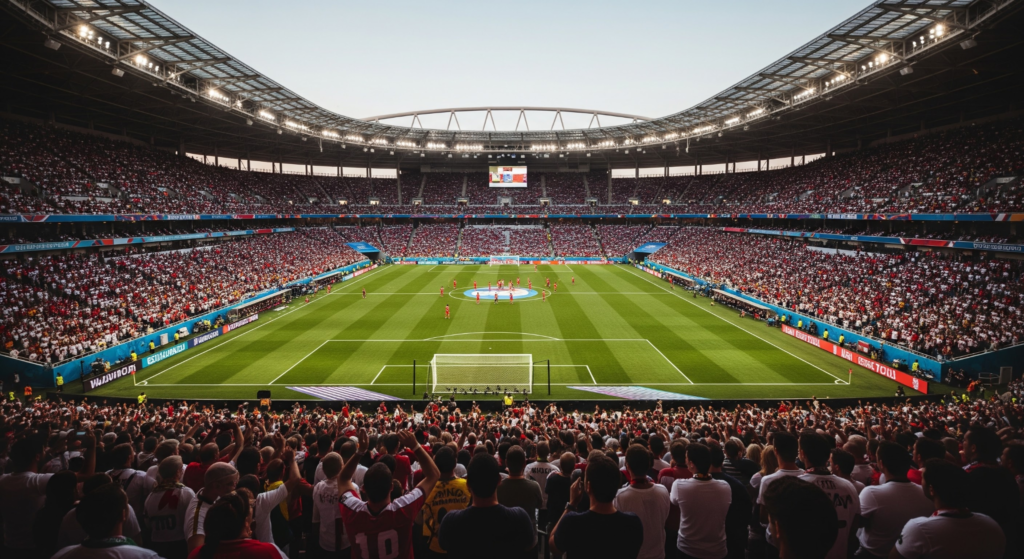
The FIFA World Cup final is scheduled for July 19 at New York/New Jersey Stadium. A 48-team tournament has created more matches, more travel, more noise, and a bigger final-week argument about fatigue. By July, the story will no longer be expansion. It will be who survived the bracket.
For Bangladesh viewers, the final will be a late-night social event as much as a football match. Group chats will turn into watch parties. Office sleep will be negotiated badly.
A major football final also changes how fans use mobile sports tools. People checking a BD bet app around the World Cup final are usually watching match-winner markets, goals lines, player shots, live odds movement, and cash-out visibility as the game turns. The smart bettor does not chase every corner or free kick. They set stake size before kickoff and treat live markets as fast information, not an emotional rescue button.
Glasgow 2026 Brings a Shorter Commonwealth Games
The Glasgow 2026 Commonwealth Games run from July 23 to August 2. This edition is leaner than older Games, with a compact venue plan and a broadcast-friendly schedule. That may make it easier to follow, especially for audiences who dip in and out by sport rather than watching every session.
Commonwealth events still matter because they create medals for athletes who do not always sit inside football’s commercial glare. Swimming, athletics, track cycling, netball, weightlifting, and Para sport can produce the rawest moments of the year.
The Hard-Court Season Has Its Own Heat
Late summer shifts attention to tennis. The US Open brings New York noise, night matches, and the emotional theatre that only a hard-court crowd can create. Tennis is a better live sport than many casual fans admit because momentum changes without substitutions, timeouts, or team-mates to hide behind.
The best matches often begin as technical problems: a return position, a weak second serve, a forehand breaking down under height. By the fifth set, they look like moral trials.
September Belongs to Asia
The Aichi-Nagoya Asian Games are scheduled from September 19 to October 4. For Bangladesh, this is not a distant event. Cricket, kabaddi, shooting, archery, athletics, football, and other sports carry regional meaning because Asian competition gives national programs a sharper measuring stick.
Traveling fans and second-screen viewers will need clean mobile access during that stretch. Before choosing MelBet APK free download, users should verify the file source, check Android permissions, protect login details, and keep betting money separate from travel or household spending. During multi-sport events, the number of markets can be tempting. Bankroll limits matter more when several matches and sessions overlap in the same day.
Club Football Returns Before the Year Feels Finished
By autumn, European club football and domestic leagues regain their rhythm. Transfers settle, managers lose patience, and Champions League nights return to the week. The year’s biggest sporting events may carry national flags, but club football brings the weekly grind that keeps fans attached.
That contrast is what makes late 2026 so strong. One month gives a World Cup final. Another gives hundreds of athletes chasing medals in Japan. The calendar does not need hype; it has enough collisions already.